
Aquaculture Strengthens MOET’s School Feeding Programme
At MOET, access to water has gone beyond household use and drinking purposes. It has created opportunities to maximise agricultural production and improve nutrition for children through innovative and sustainable initiatives.
With reliable access to water, MOET introduced off-season farming through irrigation, enabling the school to continue food production throughout the year. The availability of excess water also inspired another important initiative — the establishment of a fishpond for aquaculture.
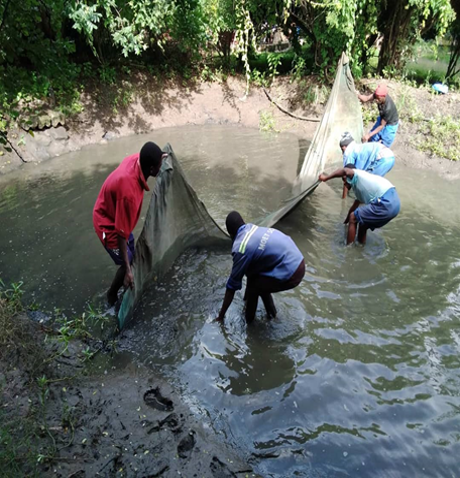
As part of this initiative, numerous fingerlings were stocked in the pond to support fish production at the facility. During the reporting period, MOET harvested fish from the pond, refreshed the water, and restocked it with more fingerlings to ensure continued production.
The harvest provided an important source of relish for the school feeding programme, benefiting boarding pupils at the facility. One fishpond produced a basin full of fish, which could cost up to MK200,000.00 at the local market. This achievement highlights the value of aquaculture in supporting food security and reducing feeding costs at the school.
In addition to nutritional benefits, pupils were also taught that aquaculture creates income-generating opportunities for many communities. Through this practical learning experience, students gained a better understanding of both the economic and health benefits of fish farming.
MOET remains committed to promoting sustainable initiatives that improve the wellbeing of children while equipping students with practical knowledge and life skills for the future.


Comments